



Seattle is buzzing right now. In the first 11 days of World Cup 26, Waterfront Park recorded more than 451,000 visits, including nearly 85,000 on June 19 alone. SEA Airport has also seen some of its busiest travel days ever, with match-day crowds and summer travelers moving through the city.
That is a lot of water bottles, soda bottles, takeout containers, and iced drinks on the go. It also makes this a good time to revisit something that seems simple, but still trips people up, myself included.
Plastic recycling is changing in Washington. The state passed the Recycling Reform Act last year, creating an extended producer responsibility program for residential packaging and paper products. Producers will eventually help fund the recycling system, and the state is working toward a more consistent list of recyclable materials and expanded access to recycling service.
Those changes will take years to roll out. For now, the everyday questions still matter. So, we asked Rich Rinehart, general manager at Republic Services, to answer a few basics about plastic bottles and common recycling mistakes.
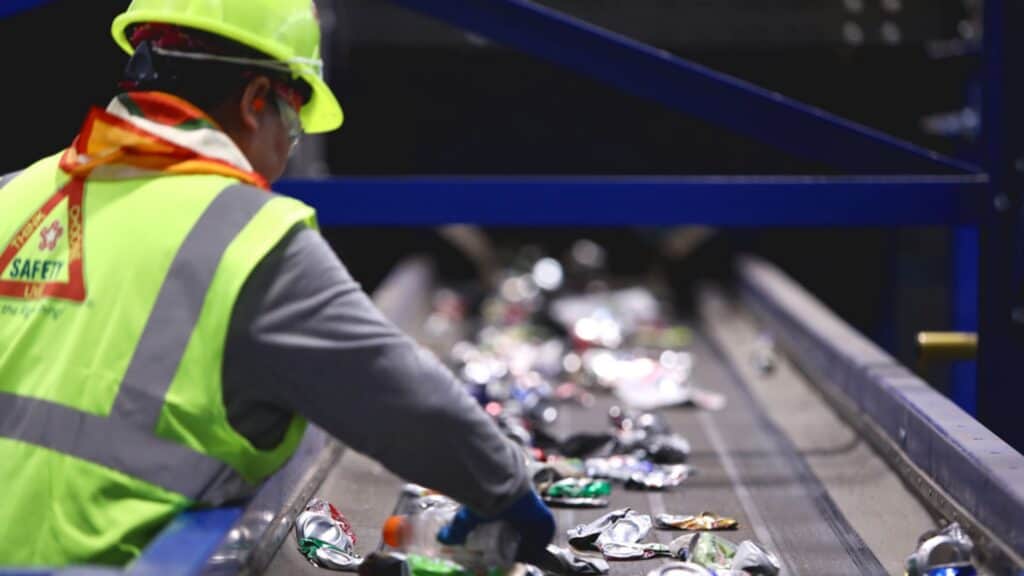
Courtesy of Republic Services
I think at this point we all know that plastic bottles are recyclable, but the numbers are still low. What is the biggest reason so many never actually get recycled?
Plastic bottles don’t get recycled simply because people aren’t recycling them. Only three in 10 water or soda bottles actually make it into the recycling bin. And the numbers are even lower for milk or detergent jugs. We need consumers to do their part and recycle their plastic bottles, jugs, and containers.
What are the most common mistakes people make when recycling plastic bottles?
The most common error with plastic recycling is mistaking the “chasing arrows” symbol for a recycling symbol. The chasing arrows symbol indicates the type of plastic the packaging is made from, but it does not necessarily mean that an item is recyclable. Water and soda bottles, milk and detergent jugs, yogurt containers, and plastic to-go cups are examples of the types of plastics that are recyclable.
I’ve seen different advice over the years about caps. Should people leave them on or take them off, and why?
Leave caps on plastic bottles when recycling. When caps are loose, they can fall through sorting equipment and be missed during processing.
What actually happens to a plastic water bottle after it goes into the recycling bin?
After collection, recyclables are taken to Republic Services’ Seattle Recycling Center, where they are mechanically sorted using technology including screens, magnets, and optical sorters, and then baled. Bales of plastic are sent to Republic’s Las Vegas Polymer Center for further processing.
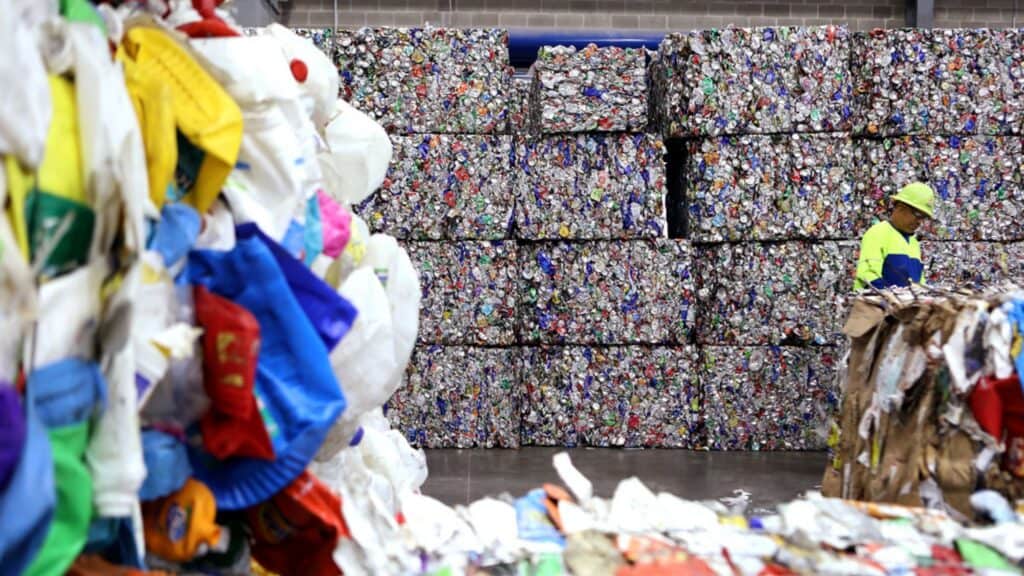
Courtesy of Republic Services
At the Polymer Center, plastic beverage bottles go through additional sorting, are shredded, then thoroughly washed to produce high-quality recycled PET flakes. These flakes can be used to make new bottles and other packaging, helping turn used plastic back into similar products. This process reduces the need for new plastic and supports a more circular use of materials.
For someone who wants to do one thing better starting today, what is the simplest change that would make the biggest difference?
The simplest and most impactful step is to make sure bottles and containers are empty, clean and dry before recycling. This makes it easier for recycling systems to do their job and help ensure that more materials are successfully recycled.
The Bottle Line
Think bottles, jars, jugs, tubs, and cups, not bags, wrap, or foam. Just make sure everything is clean first, since food and liquid residue can contaminate other materials and make them harder to recycle.
For more best practices, visit Republic Services’ RecyclingSimplified.com or Seattle Public Utilities’ Where Does It Go? tool.