



The United States launched fresh airstrikes on Iranian military targets on Sunday, days after Iranian attacks killed American service members in Jordan. It was the ninth consecutive night of US strikes since an interim deal meant to freeze the conflict collapsed.
What triggered the latest strikes
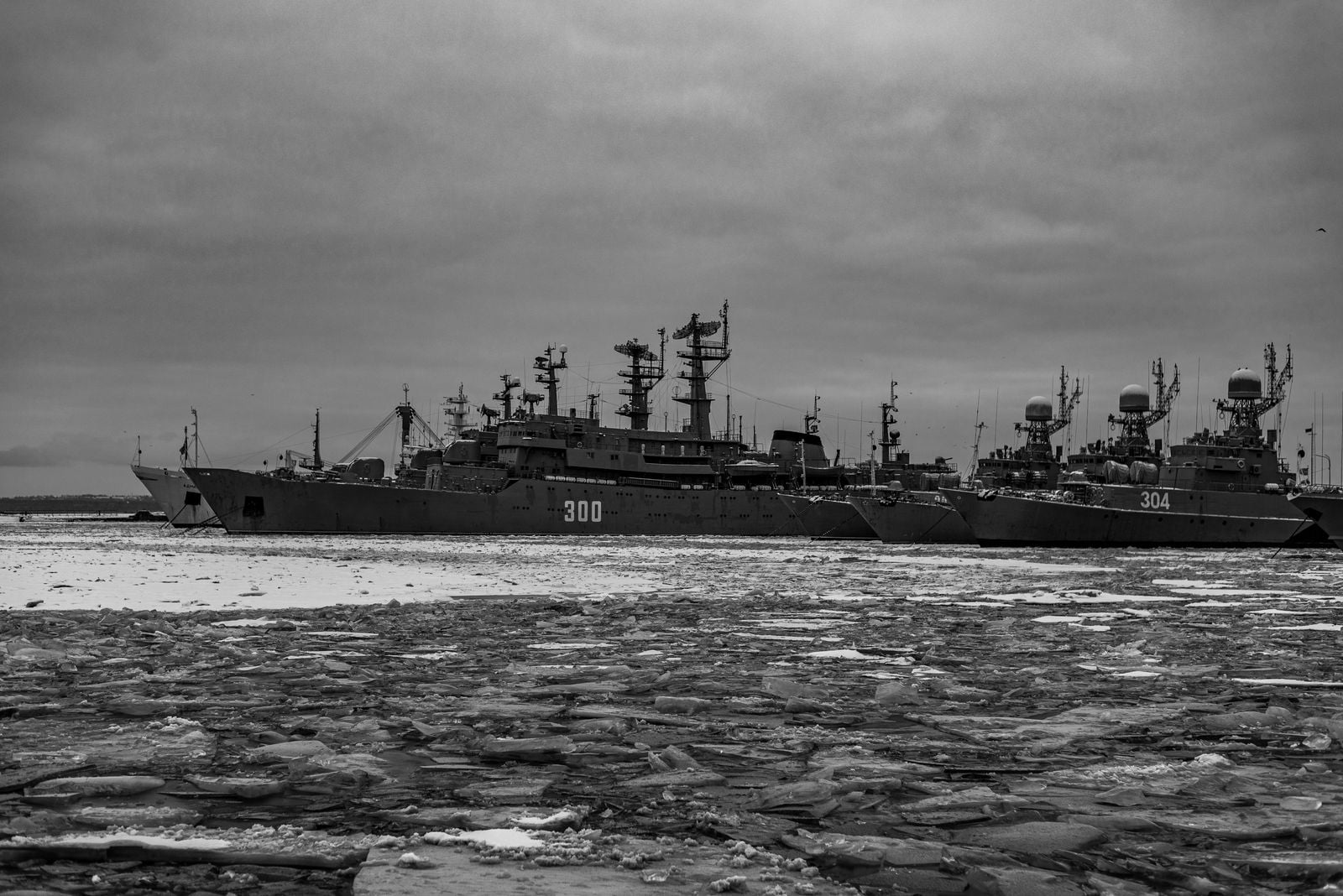
US Central Command said Sunday’s operation targeted Iranian military command centers, air defense and coastal surveillance sites, maritime capabilities, missile and drone launch sites, and communications networks. CENTCOM framed the campaign as an effort to degrade Iran’s ability to threaten commercial shipping through the Strait of Hormuz.
The renewed assault followed the first US combat deaths since the fighting resumed. CENTCOM confirmed that two US service members were killed on Friday, July 17, when Iranian ballistic missiles and drones struck a base used by American forces in Jordan, with a third service member initially reported missing. The command said the strikes were designed to swiftly punish Islamic Revolutionary Guard Corps forces blamed for the attack.
Kuwait, Bahrain and Jordan activated air defences over the weekend against incoming Iranian drones and missiles, with projectiles directed toward Jordan raising fears the fighting could spill into neighbouring Israel for the first time in weeks.
The Hormuz choke point
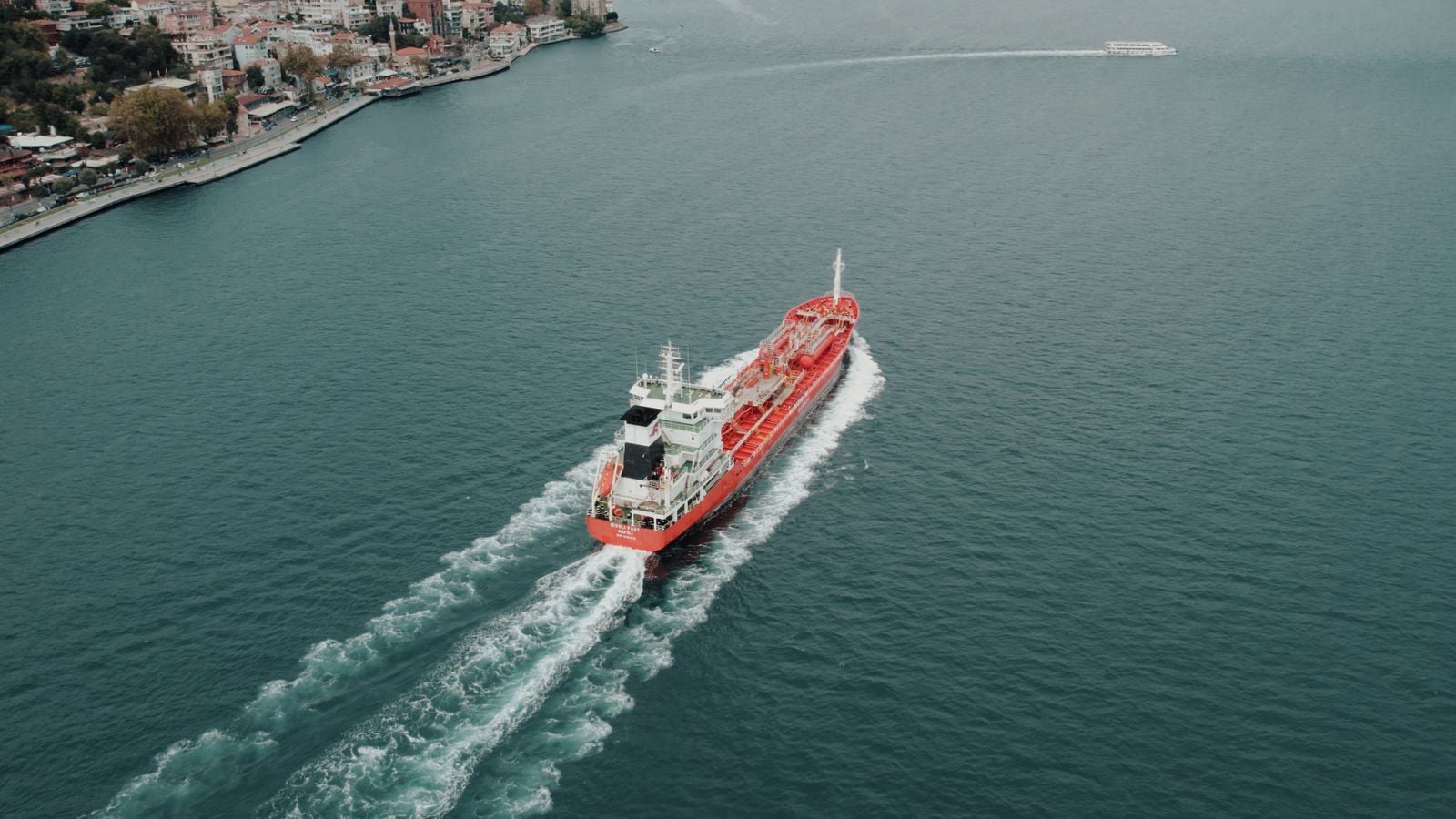
Shipping traffic through the Strait of Hormuz has largely stalled. Central Command described the campaign as an effort to degrade Iran’s ability to threaten vessels transiting the strait and to punish the Islamic Revolutionary Guard Corps, which controls Tehran’s ballistic missile arsenal, for the deaths of US troops in Jordan. Roughly a fifth of the world’s oil supply passes through Hormuz, a fact that connects the military exchange directly to commodity markets and the fuel-price shocks now hitting import-dependent economies across South Asia and sub-Saharan Africa.
A nuclear construction site enters the target list
Iran’s Atomic Energy Organization said US forces attacked the under-construction Darkhovin nuclear power plant in the southwestern province of Khuzestan, an attack Tehran condemned as a violation of international law. The United States has not publicly confirmed striking that specific site. The International Atomic Energy Agency said it was investigating the reported strike and that the facility was in the very early stages of construction and contained no nuclear material at its last inspection, meaning the reported attack was not believed to pose any radiological risk.
Iranian authorities reported casualties in the latest US strikes and have released no figures on their materiel losses. US strikes over the past week have reportedly hit bridges, electrical facilities and other civilian infrastructure inside Iran serving millions of people, and each government has accused the other of targeting civilian sites.
The structural read
The escalation pattern follows a familiar institutional logic. An interim deal designed to freeze the conflict collapsed within weeks, and each side’s retaliation cycle now targets the other’s civilian-adjacent infrastructure, which raises the political cost of de-escalation for both governments. Central Command’s framing, punishing the IRGC specifically rather than the Iranian state, preserves diplomatic optionality even as the operational tempo intensifies.
The economic tail is already visible. With Hormuz traffic frozen, insurance premiums on Gulf shipping have repriced, and the spread of Iranian attacks to Gulf oil facilities extends the risk premium beyond Iranian territory itself. Fuel and food price transmission is now the war’s most globalised export, hitting hardest in the countries with the least capacity to absorb it.