



Australian entrepreneurship is becoming harder to define by a single measure of success.
For some founders, growth means building a global brand. For others, it means protecting threatened landscapes, creating regional jobs or finding new ways to solve problems that have long been overlooked.
That breadth is reflected among the Emerging and Social Impact category finalists named in the national 2027 EY Entrepreneur Of The Year program.
Now in its 26th year in Australia, the prestigious business awards recognise entrepreneurs for their innovation, leadership and resilience.
This year’s Emerging and Social Impact national finalists are:
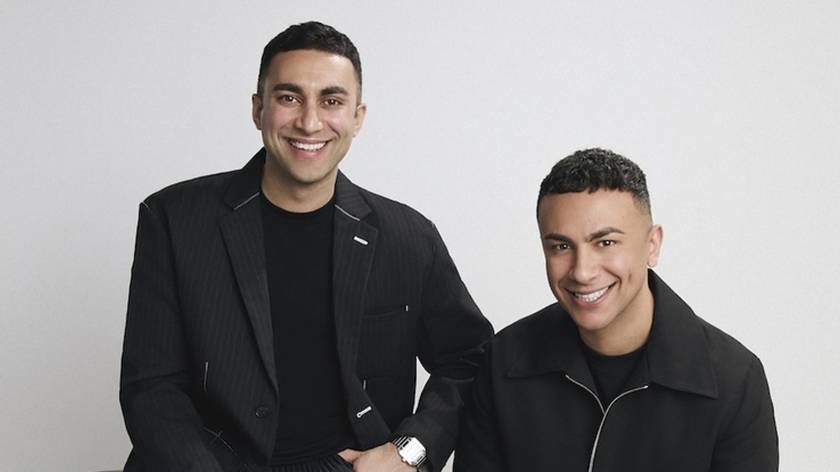
- Omar Sabré and Zane Sabré, MAISON de SABRÉ
- Sam Crowther, KASADA
- Bill Ovenden and Ed Ovenden, The Lad Collective
- Michael Christidis, Untitled Group
- Sam Coote, SIERA Marine Management
- David Elliott OAM, Australian Age of Dinosaurs Ltd
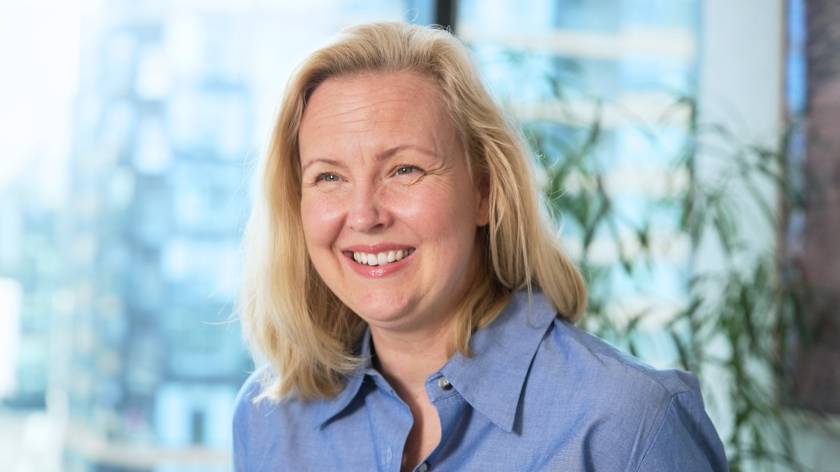
- Rachel Lowry, Bush Heritage Australia
- Julian Pace, Happiness Group
Startup Daily spoke with this year’s national finalists about the problems they chose to solve, how their definition of success has changed and what the next generation of Australian entrepreneurship might look like.
Sometimes spotting an opportunity requires knowing an industry inside out. However, in the case of MAISON de SABRÉ, co-founders Zane and Omar Sabré’s lack of previous experience in fashion or luxury proved to be an advantage.
“We weren’t constrained by industry convention or inherited thinking, so we approached every decision from first principles,” Zane Sabré tells Startup Daily. “Rather than asking how luxury products had always been designed or sold, we asked what customers actually valued and where the category had stopped evolving.”
That thinking was evident in one of the brand’s earliest products: the phone case. While most were treated as disposable accessories, the brothers believed customers would value premium materials, thoughtful design and personalisation in something they used every day.
“It shaped our belief that luxury shouldn’t be defined by occasion, but by utility, longevity and the quality of the experience it creates every day,” says Zane. “That philosophy continues to underpin every product, every retail concept and every strategic decision we make.”
David Elliott OAM wasn’t looking for a business opportunity when the idea for Australian Age of Dinosaurs Ltd first took shape. He was mustering sheep.
In 1999, Elliott discovered the fossilised bone of what was then Australia’s largest known dinosaur on his property near Winton, a discovery that prompted what he describes as a “knee-jerk reaction” to create the museum.
Subsequent dinosaur digs throughout the early 2000s revealed just how significant the Winton region was as a source of Australia’s dinosaur fossils.
“I realised that these national treasures didn’t just represent Winton, they represented Australia,” he says.
“This opened my eyes to the huge potential of a standalone natural history museum in the Outback.”
Today, the museum runs annual dinosaur digs, operates a year-round fossil preparation laboratory and holds one of Australia’s most significant dinosaur fossil collections.
For several national finalists, purpose and growth are difficult to separate.
“I’ve never believed purpose and commercial success should compete. The best design solves multiple problems at once,” says Omar.
He points to SABRÉMOJI™, MAISON de SABRÉ’s range of collectible leather bag charms created using upcycled leather offcuts from bag production.
“What began as a design challenge became one of our fastest-growing product categories, while also reducing waste and giving customers new ways to personalise products they already own.”
At Bush Heritage Australia, purpose sits at the heart of the organisation.
The conservation charity protects and manages some of Australia’s most important landscapes. In the past year, its work extended across 22.5 million hectares, benefiting more than 9268 native species.
After 35 years of operation, CEO Rachel Lowry says the focus is now on finding the resources and support needed to scale its impact.
“The key challenge now is on how we generate the funds required and mobilise enough people to support the solutions that have proven to help protect healthy country.”
Purpose may shape what these organisations are trying to achieve, but financial sustainability determines how far they can take it.
“In the early days success meant survival. Every milestone was about proving the business could exist another year,” says Zane.
As the business has grown, Zane says the brothers’ definition of success has shifted towards building something enduring.
“Today, success is measured very differently. Financial performance still matters but we see it as the outcome of building something enduring rather than the goal itself,” he explains. “Our ambition has shifted from building a successful company to proving that an Australian luxury house can stand alongside the world’s most respected brands and endure for generations.”
While Bush Heritage is a not-for-profit charity, Lowry says building diverse revenue streams and remaining agile and resilient are critical.
“My aim as CEO is to create a culture that reminds all staff that being a not-for-profit doesn’t mean we don’t need to be ambitious and innovative at driving strong diversified revenue,” she explains. “We simply have the privilege of reinvesting that revenue growth straight back into values-driven impact.”
For Elliott, maintaining the museum’s scientific responsibilities while remaining viable requires a similar balance.
“Many things that make the museum what it needs to be do not make income but they play an integral role in our ethical responsibility as a world-class institution,” he says.
That approach has also delivered an economic impact beyond the museum. Elliott says tourism in the Winton region has doubled in a little over a decade, while new jobs and businesses have contributed to population growth of approximately 10 per cent.
If these national finalists are any indication, the next generation of Australian entrepreneurs will be less interested in choosing between purpose, profit and ambition than finding ways to combine them.
“I think the next generation of Australian entrepreneurs will think globally from day one,” Zane says.
“They won’t build an Australian business and then look overseas. They’ll build for a global customer from the outset.”
Lowry believes founders will also become better at creating value beyond the business itself.
“[They] will get better at looking at win-wins that utilise their business models to not only generate profit, but wins for both community, and I hope, nature.”
Together, the national finalists suggest growth is no longer defined by scale alone. It can mean increasing impact, strengthening communities or building something designed to endure.
The 2027 EY Entrepreneur Of The Year winners will be announced at the national awards ceremony on October 22.
Learn more about the 2027 EY Entrepreneur Of The Year™ national finalists and the program.