



The Seattle chapter of the American Institute of Architects (AIA) announced the winners of its 2026 Honor Awards for Washington Architecture earlier this month at Town Hall Seattle. The annual competition, now in its 77th year, drew 116 submissions, with the main jury selecting 23 winners and a separate panel of emerging designers adding one award.
New York architect Billie Tsien, Canadian architect Omar Gandhi, and Z Smith, a sustainability specialist with New Orleans firm Eskew Dumez Ripple, reviewed submissions and visited several project sites in the days leading up to the ceremony. They joined Seattle design journalist Lauren Gallow onstage to discuss their selections and what made certain projects worth recognizing.
Six projects received an Award of Honor, the program’s highest distinction. Among the winners is Bellevue Fire Station 10 by Bohlin Cywinski Jackson. The five-bay fire and emergency medical services station incorporates sustainability features and engages with nearby wetlands. The jury praised the attention to detail in a building designed to meet the demanding needs of emergency responders.
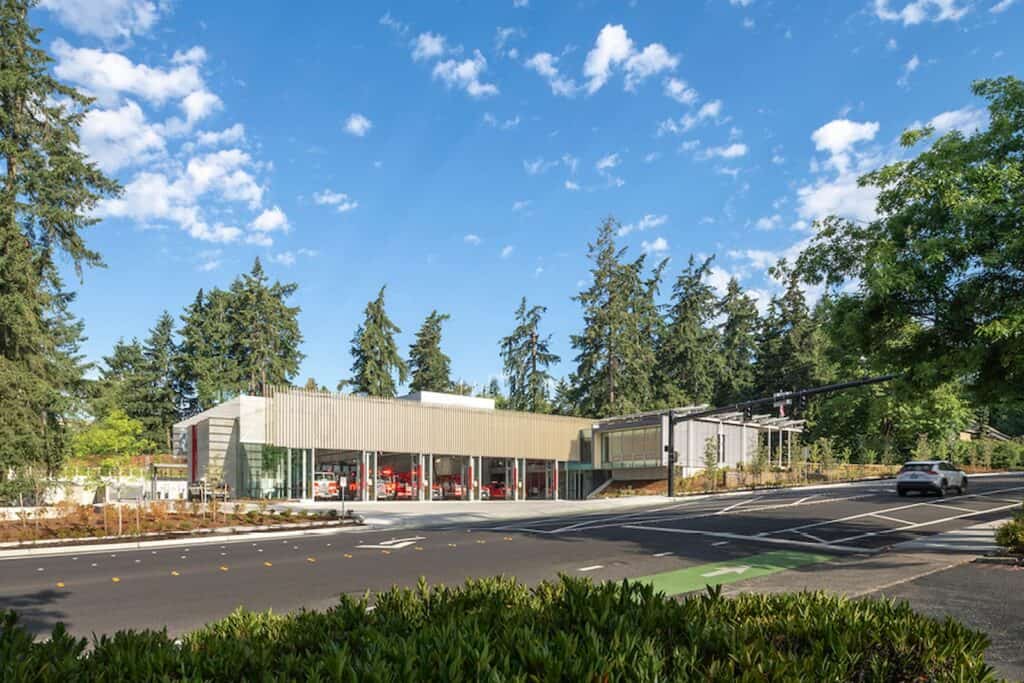
Bellevue Fire Station 10 by Bohlin Cywinski Jackson.
Photo by Kirk Hostetter
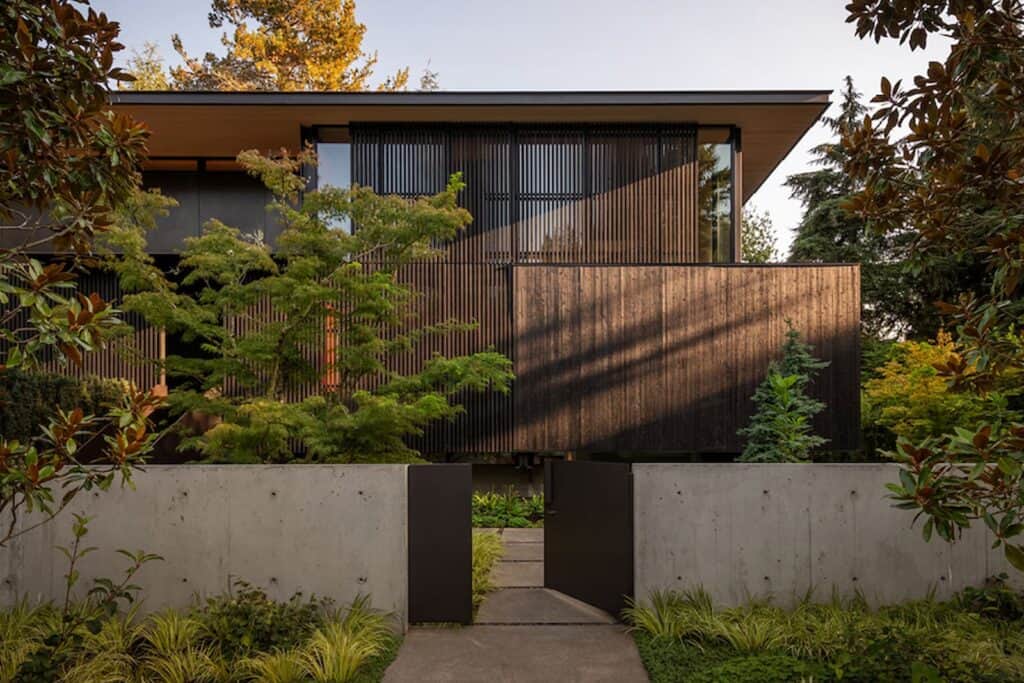
Forest House by Olson Kundig.
Photo by Aaron Leitz
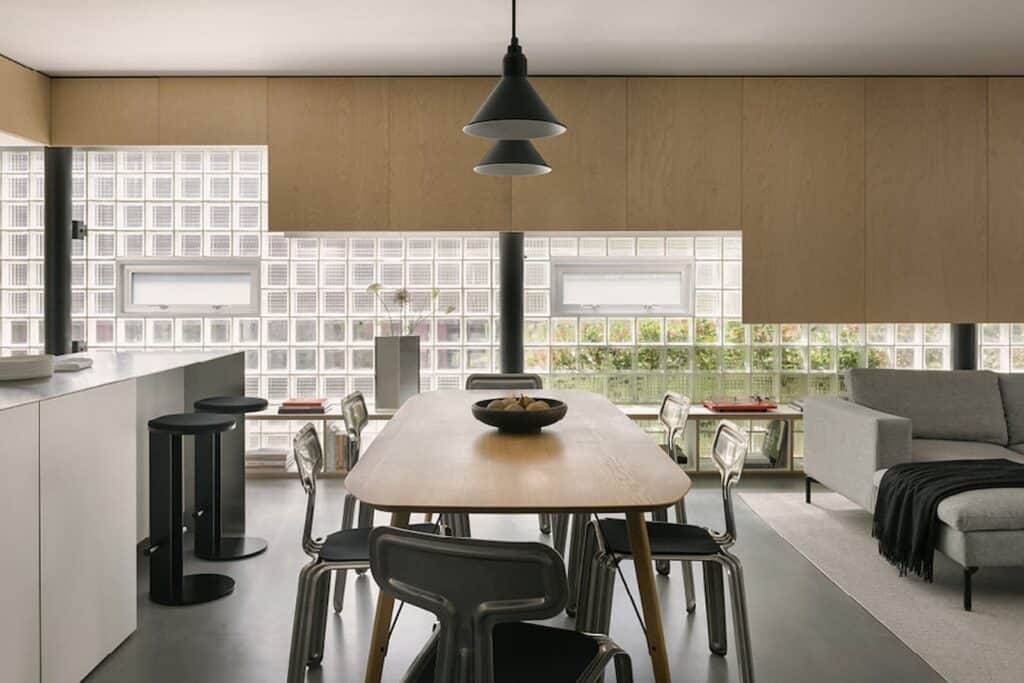
Caretakers Quarters by GREY Architectural Studio.
Photo by Eric Petschek
Seattle firm Wittman Estes won two top awards. French Creek Workshops pairs a home with workshop space beside a wetland, collecting rainwater in garden pools. Blakely Island Cabin makes clever use of a tight site, fitting between a glacial boulder and a Douglas fir, with an open ground floor and more sheltered sleeping quarters above. The other Awards of Honor went to Olson Kundig’s Forest House, a renovation and expansion of a midcentury home; GREY Architectural Studio’s Caretaker’s Quarters, which converted a former Pike Place Market law office into living and creative space; and Lagerberg Mooring by E. Cobb Architects Partners, a small home built entirely over Salmon Bay.
Some of the smaller projects also caught the judges’ attention. Linework Architecture’s HE SHED_SHE SHED, an honorable mention, uses the footprint of an existing backyard shed to create two personal spaces. Tsien admires the differences between the two sides, right down to the chairs and counter heights, describing the result as “a very gentle insertion” into the backyard.
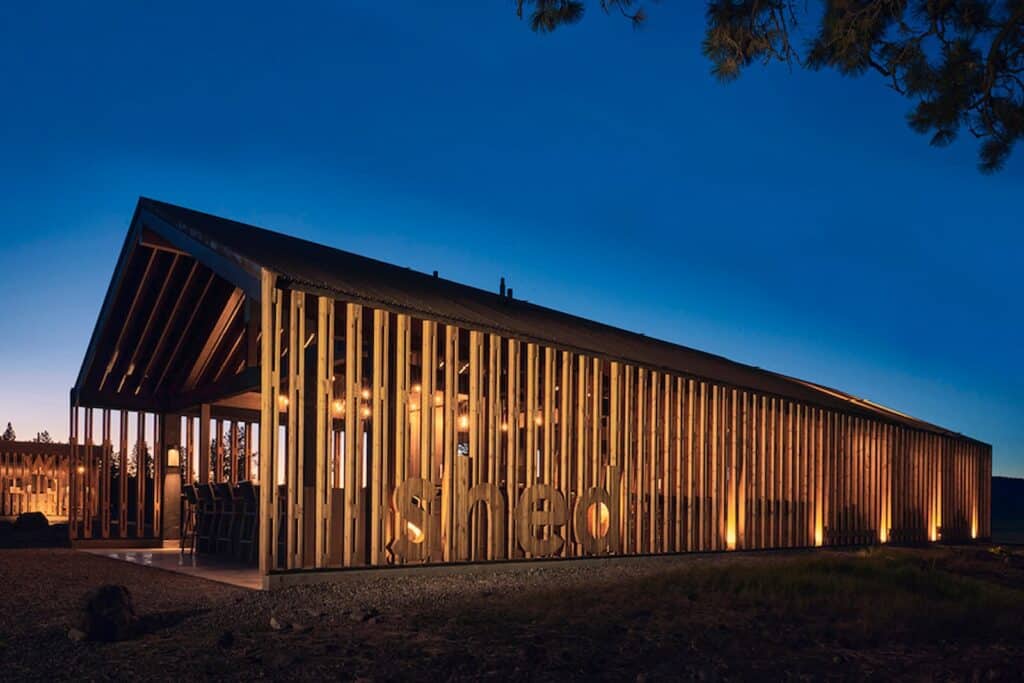
Shed by Mutuus Studio.
Photo by Dan Goldberg
Another honorable mention, Shed by Mutuus Studio, gives cooking and dining equal attention in an open-air pavilion. Tsien says she appreciates that the architects considered the people preparing meals as carefully as those sitting down to eat. “The porosity and its engagement with the landscape I think is really poetic,” says Gandhi, noting how the experience of the pavilion could change throughout the day and across the seasons.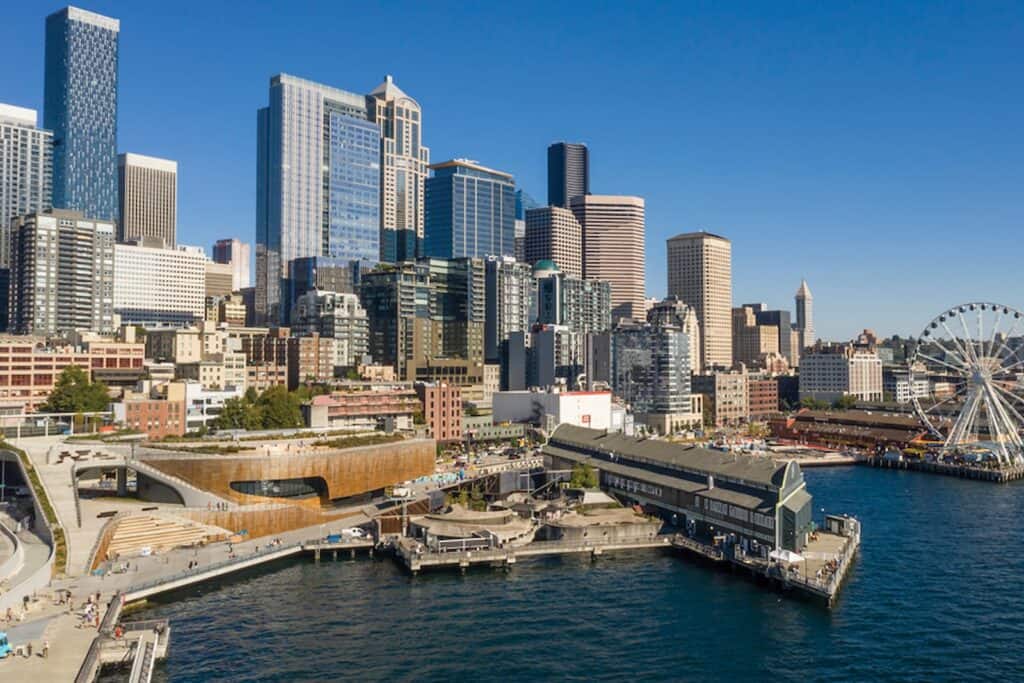 Seattle Aquarium Ocean Pavilion by LMN Architect.
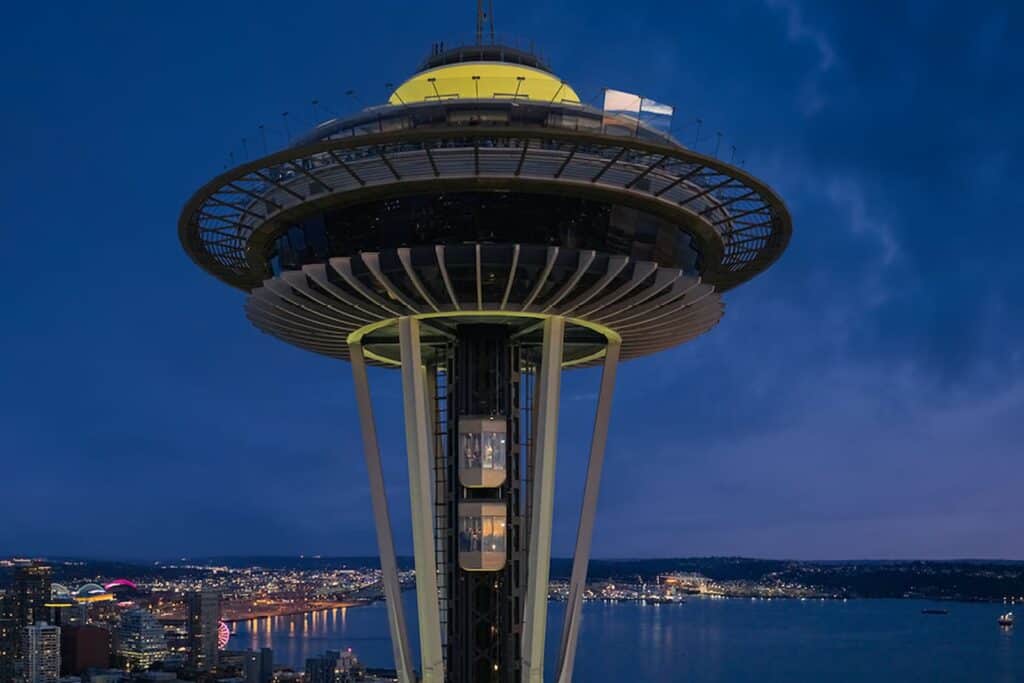
The Space Needle Elevator Modernization by Olson-Kundig.
Photo by Younes Bounhar / Doublespace Photography
Olson Kundig received an Award of Merit for its Space Needle elevator modernization which draws inspiration from early renderings of the landmark and the space-age optimism behind its original design. Rather than treating the elevators as a routine mechanical upgrade, the architects revisited elements of that vision.
The firm also earned an honorable mention for 505 First Avenue Reposition, which changes how people enter and move through an existing commercial building, including access to new rooftop amenities. Smith calls the redesign a “personality transplant” and makes a case for investing in buildings already standing. “What we have to do is take on and transform and show more love to all these existing buildings,” he says.
The Seattle Aquarium Ocean Pavilion by LMN Architects earned an Award of Merit. During a visit to the waterfront, Gandhi spotted a shark swimming overhead and was delighted that people could see it without even buying a ticket. Smith praises the pavilion for making marine life visible to the public while also helping people move between downtown and the waterfront. The building, he says, accomplishes several things at once.
Another Award of Merit went to CITY ERASED, an exhibition by Elisa Renouard and University of Washington Architecture about the Alaskan Way Viaduct, the communities it divided, and what its removal made possible. The exhibit raises questions about the lasting consequences of decisions about the built environment. “When people ask me, ‘What is sustainability?’ I say, ‘It’s thinking about building as if time existed,’” Smith says.
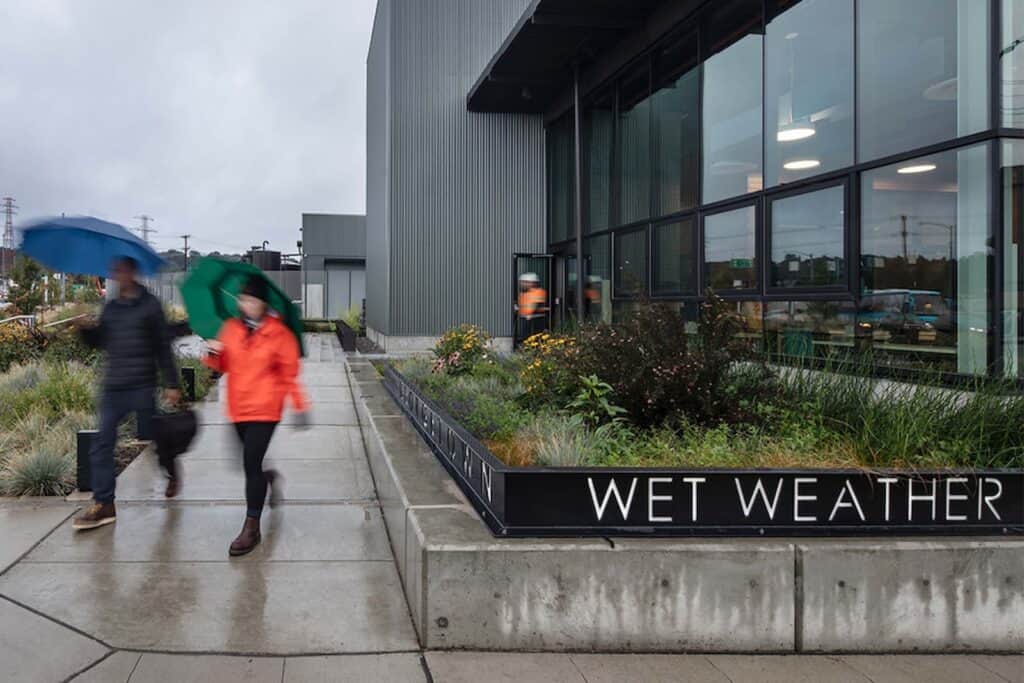
Georgetown Wet Weather Treatment Station by Signal Architecture Research.
Photo by Lara Swimmer + Esto
Other honorees include Evergreen High School, the Georgetown Wet Weather Treatment Station, and Holden Portal Museum, whose remote location required transporting building materials by barge and truck.
The complete list of winners, along with project photographs and additional details, is available on the AIA Seattle website.